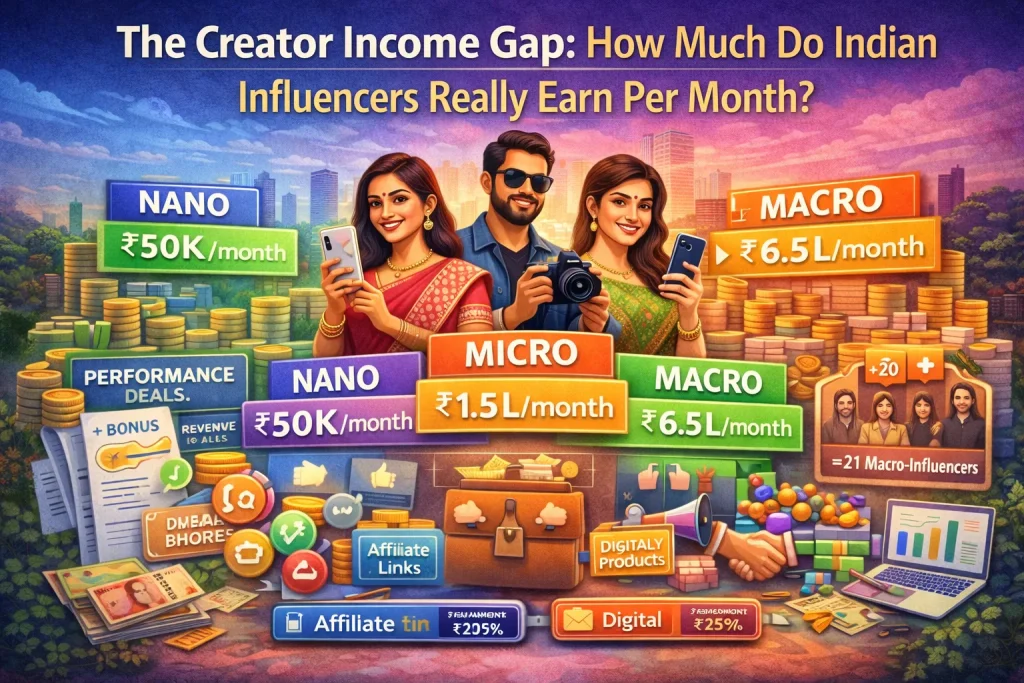
Did you know India’s micro-influencers now out-earn many traditional ad channels by 20%? Here’s the thing: while India’s creator economy boasts 35-45 lakh influencers, only 6 lakh actually monetize effectively- meaning just 12% rely on social media as primary income. Understanding influencer earnings India isn’t just about curiosity; it’s about survival in a market that hit ₹3,000-3,500 crore in H1 2026, growing at 22% CAGR.
Recent analysis reveals that Instagram claims 75% of creator revenue, while brands now spend ₹2-7 lakh per campaign- up from ₹1-5 lakh in FY24. But here’s what the headlines miss: the top 5% dominate the ₹1,500 crore sector through retainers and brand deals, while most creators face feast-or-famine inconsistency.
Whether you’re a brand planning your 2026 budget or a creator negotiating your first deal, this guide breaks down real-world rates, tier-by-tier benchmarks, and negotiation frameworks that actually work in India’s unique market.
Why Influencer Earnings India Matter More Than Ever in 2026
The Indian influencer landscape isn’t just growing- it’s fundamentally restructuring how brands allocate marketing budgets.
Traditional advertising channels are watching their ROI shrink while short-form video content delivers measurable returns that boardrooms can’t ignore. Industry data shows that brands achieved 3× ROI by leveraging ₹10K-₹30K micro-influencer rates for Reels, consistently outperforming long-form content and static posts.
But wait- there’s a critical gap between perception and reality.
The Income Disparity Nobody Talks About
While celebrity influencers command ₹10-20 crore annually (think Bhuvan Bam territory), the average creator navigates a completely different financial landscape. The stark truth: influencer earnings India reveal extreme polarization where consistent monthly income remains elusive for 88% of creators.
Here’s what this means for you:
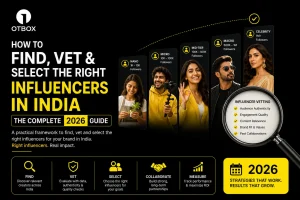
For brands: Budget allocation requires understanding which tier delivers your specific KPIs- awareness, engagement, or conversions. Throwing ₹5 lakh at a macro-influencer might generate vanity metrics, while distributing that same budget across 15-20 micro-influencers could drive actual sales. You can read more about strategic budget allocation at Micro vs Macro Influencer Budget in India: Where to Invest for Maximum Impact.
For creators: Diversification isn’t optional. Relying solely on sponsored posts creates income volatility that makes financial planning impossible. The creators earning ₹2.5 lakh monthly combine brand deals, affiliate marketing, platform monetization, and digital products.
Average Influencer Earnings in India: What Each Tier Actually Makes
Let’s cut through the aspirational Instagram posts and examine real-world monthly earnings across follower tiers.
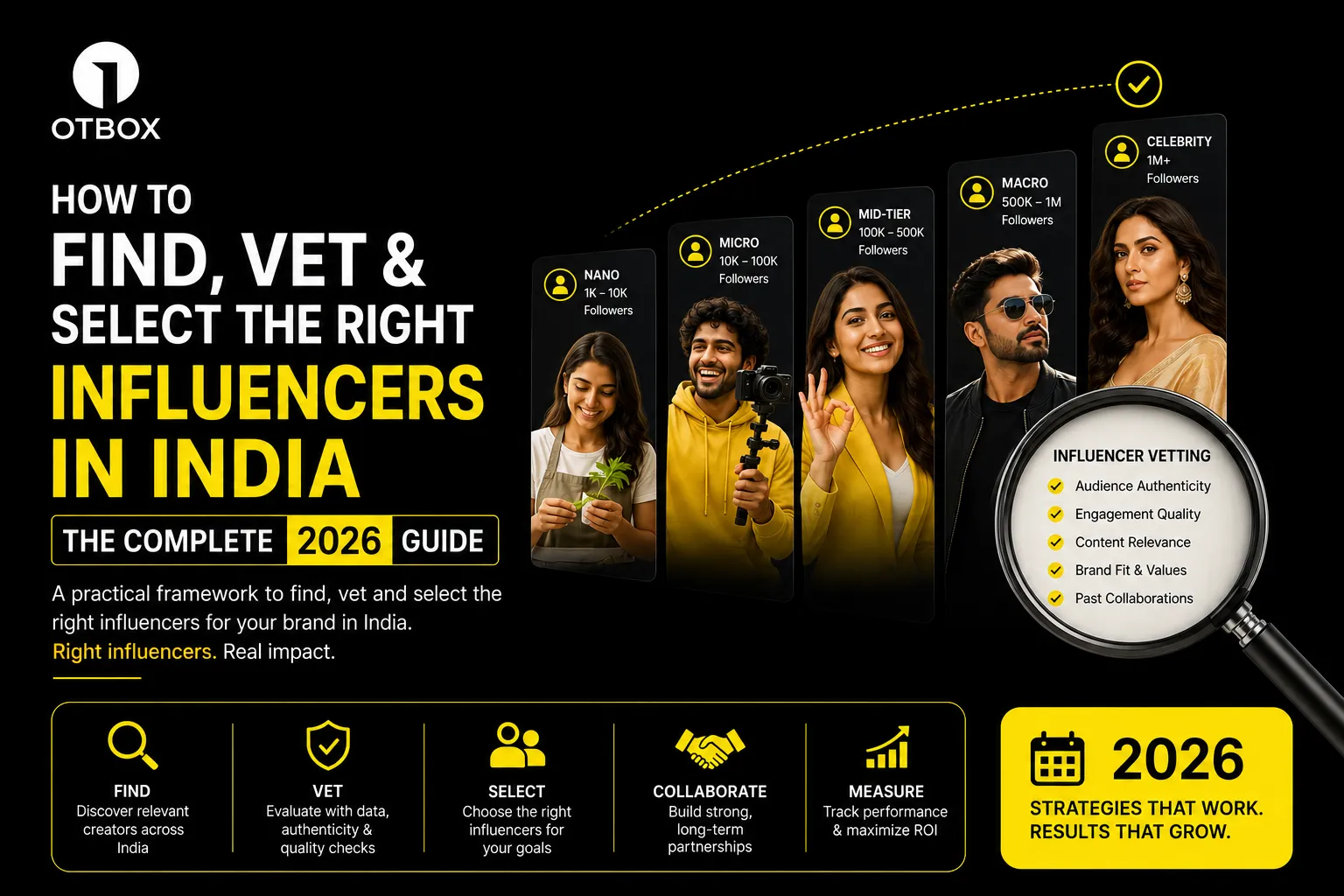
Nano Influencers (1K-10K Followers)
Monthly earning potential: ₹20K-₹50K
These creators operate in hyper-niche communities where engagement rates often exceed 8-10%- double what macro-influencers achieve. Per-post rates vary dramatically by format:
- Instagram Reels: ₹300-₹5K (decreased from FY24 as market saturated)
- YouTube Shorts: ₹1K-₹10K (increased as platform prioritizes short-form)
- Static posts: ₹500-₹3K
The nano tier represents India’s fastest-growing creator segment, particularly in tier-2 and tier-3 cities where authentic community connection trumps production polish. You can read more about leveraging this powerful segment at Nano Influencers India: The Secret Weapon for D2C Brands in 2026.
Micro Influencers (10K-100K Followers)
Monthly earning potential: ₹1-2 lakh
This sweet spot delivers brand value without celebrity premiums. Data indicates micro-influencers command ₹2.5K-₹80K per Instagram Reel, with rates scaling based on niche expertise and engagement quality.
Real-world example: A skincare micro-influencer with 45K followers charges ₹25K per Reel but ₹60K for comprehensive campaigns including Stories, Reels, and grid posts- because brands pay for sustained visibility, not one-off posts.
Nano influencer pay per post India in this tier reflects specialization premiums. Food bloggers in metro cities command 40% more than general lifestyle creators with identical follower counts.
Macro Influencers (100K-1M Followers)
Monthly earning potential: ₹2-2.5 lakh (conservative) to ₹5 lakh+ (with retainers)
Creators like Sarthak Sachdeva demonstrate this tier’s earning model: consistent ₹2-2.5 lakh monthly baseline from multiple brand partnerships, platform monetization, and affiliate commissions. Per-post rates range ₹30K-₹6 lakh depending on exclusivity, usage rights, and campaign scope.
Here’s what separates successful macro-influencers from those struggling to monetize: diversified revenue streams. Top earners combine:
- Sponsored content (40-50% of income)
- Platform ad revenue (20-25%)
- Affiliate marketing (15-20%)
- Digital products or courses (10-15%)
Mega and Celebrity Influencers (1M+ Followers)
Monthly earning potential: ₹9 lakh+
Celebrity influencer fees India reach stratospheric levels- ₹1.8 lakh to ₹35 lakh per post. Bhuvan Bam’s ₹10-20 crore annual earnings combine YouTube ad revenue, brand ambassadorships, and content production ventures.
But here’s the nuance: follower count alone doesn’t determine rates. A 2M-follower tech reviewer commands ₹8-12 lakh per integration because their audience makes purchasing decisions, while a 5M-follower entertainment account might charge ₹5-7 lakh for lower conversion potential.
Platform-Specific Earning Patterns
Instagram dominates monetization: 75% of creator revenue flows through Instagram, where Reels drive 50%+ of brand deals. YouTuber earnings India represent just 13% of overall creator income despite higher per-video rates, because production demands limit content volume.
Short-form content fundamentally reshaped influencer monetization models India. Creators producing daily Reels generate more consistent income than those creating weekly long-form videos, even with lower per-piece rates.
Rate Cards by Follower Tier in India: The Complete Breakdown
Understanding influencer marketing pricing India requires looking beyond follower counts to engagement rates, niche authority, and content format.
How Much Do Nano Influencers in India Charge Per Post?
| Content Type | Rate Range | Usage Rights Impact |
|---|---|---|
| Instagram Reel | ₹300-₹5K | +30-50% for 6-month rights |
| YouTube Short | ₹1K-₹10K | +40-60% for perpetual use |
| Static Post | ₹500-₹3K | +20-30% for repurposing |
| Story (3-slide set) | ₹200-₹2K | Typically included in packages |
Negotiation insight: Nano creators often undervalue their services. Brands securing ₹500 Reels from engaged niche communities achieve cost-per-engagement rates 70% lower than macro-influencer campaigns.
Micro-Influencer Pricing Structure
Base rates: ₹2.5K-₹1.5 lakh per deliverable
Pricing variables that significantly impact micro-tier rates:
- Niche specialization: Finance/tech creators charge 50-80% premiums over general lifestyle
- Engagement quality: Accounts with 5%+ engagement command 40% higher rates
- Geographic location: Mumbai/Bangalore creators charge 30-40% more than tier-2 city counterparts
- Production value: Professionally shot content adds ₹5K-₹20K per deliverable
Package deals shift economics: A micro-influencer charging ₹15K per Reel might offer 4 Reels + 8 Stories + 1 grid post for ₹50K- 37% discount for volume commitment.
Macro-Influencer Campaign Costs
Per-post range: ₹1-6 lakh
Macro rates vary wildly based on campaign complexity:
Single deliverable: ₹30K-₹1.5 lakh for one Reel with standard usage rights
Integrated campaign: ₹2-6 lakh for multi-platform presence (3 Reels, 10 Stories, 2 grid posts, 1 YouTube integration)
Retainer agreements: ₹3-8 lakh monthly for exclusive category partnerships with 8-12 monthly deliverables
Here’s what brands often miss: macro-influencers provide production infrastructure that justifies premiums. They deliver broadcast-quality content, dedicated creative teams, and audience insights that nano/micro tiers can’t match.
Celebrity and Mega-Influencer Investment
Campaign budgets: ₹5-35+ lakh per activation
Celebrity partnerships operate differently than traditional influencer marketing. You’re not buying a post- you’re licensing cultural capital and mass reach.
Typical celebrity package components:
- Social media announcements (₹1.8-8 lakh)
- Event appearances (₹5-15 lakh)
- Content creation rights (₹3-10 lakh)
- Exclusivity clauses (50-100% premium)
ROI reality check: Celebrity influencers work for mass-market products needing broad awareness. D2C brands with niche audiences typically achieve better returns from 20-30 micro-influencers than one celebrity partnership.
How to Negotiate Influencer Fees in India: A Step-by-Step Framework
Negotiation separates brands that overpay for underperformance from those building cost-effective creator networks. Here’s how both sides can secure fair deals while building long-term relationships.
Step 1: Establish Your Baseline Using Data
For brands: Calculate your maximum cost-per-engagement before outreach.
If your product margin supports ₹50 per website visit and an influencer’s audience typically delivers 2% click-through rates, a 50K-follower creator should generate 1,000 clicks- making ₹50K your mathematical ceiling.
For creators: Research comparable accounts in your niche and tier.
Join creator communities, use rate-sharing platforms, and track what brands pay peers with similar metrics. Your baseline should reflect your engagement rate, not just follower count. You can read more about identifying the right creators for collaboration at The Ultimate Guide to Finding the Right Influencer in India.
Step 2: Present Value Beyond Vanity Metrics
Brands want outcomes, not followers. According to Sayak Mukherjee, Creatorcult Co-founder, “Earnings shift to outcomes, not followers.”
If you’re a creator, lead with:
– Previous campaign conversion rates
– Audience demographics matching brand targets
– Content performance data (saves, shares, comments)
– Case studies showing business impact
If you’re a brand, specify:
– Campaign KPIs (awareness vs. conversion)
– Content usage requirements
– Timeline and deliverable expectations
– Performance bonuses tied to results
Step 3: Structure Win-Win Pricing Models
Move beyond fixed per-post rates to creative compensation structures:
Performance bonuses: Base rate of ₹20K + ₹5K for every 1,000 link clicks above baseline
Revenue sharing: Lower upfront fee + 10-15% commission on attributed sales
Content licensing: ₹15K for organic post + ₹25K for 6-month ad usage rights
Equity arrangements: Emerging for long-term brand partnerships where creators become stakeholders
These models align incentives- creators benefit from campaign success while brands pay for actual results. You can read more about measuring campaign effectiveness at How to Calculate Influencer Marketing ROI: A Step-by-Step Guide for Indian Brands.
Step 4: Negotiate Package Deals for Volume Discounts
Single-post collaborations cost 40-60% more per deliverable than multi-post agreements.
Creator perspective: Offering packages creates predictable income. A ₹25K per-Reel creator might propose:
– Bronze: 3 Reels for ₹60K (20% discount)
– Silver: 6 Reels + 12 Stories for ₹1.1 lakh (27% discount)
– Gold: Monthly retainer with 10 deliverables for ₹1.8 lakh (28% discount)
Brand perspective: Commit to volume only after testing performance. Start with 2-3 posts, analyze results, then negotiate quarterly packages with top performers.
Step 5: Build Relationships, Not Transactions
The creators delivering exceptional ROI aren’t always available for one-off campaigns- they’re locked into retainers with brands that invested in relationships.
Relationship-building tactics that work:
- Pay invoices within 7-10 days (most brands take 30-45)
- Provide creative freedom within brand guidelines
- Share campaign performance data with creators
- Offer first-right-of-refusal on new product launches
- Feature top-performing creators in brand case studies
Red flags that kill deals:
- Brands demanding unlimited revisions or usage rights
- Creators ghosting after payment discussions
- Either party negotiating exclusively on price
- Unrealistic timeline expectations
- Lack of clear deliverable specifications
You can read more about formalizing these partnerships properly at Finalize Influencer Contracts & Ensure Compliance (Step 4 of 7).
Next Steps for Brands & Creators: Your Action Checklist
You’ve got the benchmarks, pricing structures, and negotiation frameworks. Here’s how to implement this intelligence:
For Brands Planning 2026 Campaigns
Immediate actions:
✓ Calculate your cost-per-acquisition ceiling before approaching creators- work backward from unit economics, not arbitrary budgets
✓ Build a tiered creator list: 60% micro-influencers (volume + engagement), 30% macro (reach), 10% nano (niche testing)
✓ Test before committing: Run 2-3 post trials with 5-7 creators, then double down on top 20% performers
✓ Standardize your brief template including deliverables, timelines, usage rights, and KPIs- clarity prevents negotiation friction
✓ Track performance religiously: Use UTM codes, unique discount codes, and pixel tracking to measure actual ROI, not engagement theater
For Creators Building Sustainable Income
Immediate actions:
✓ Audit your current rates against this guide’s benchmarks- if you’re 30%+ below market, update your rate card immediately
✓ Diversify beyond sponsored posts: Add affiliate marketing (15-20% of income), platform monetization, and digital products
✓ Create a media kit showcasing engagement rates, audience demographics, previous campaign results, and clear pricing
✓ Join creator networks for rate transparency, brand connections, and negotiation support
✓ Specialize ruthlessly: Generalist creators compete on price; niche experts command premiums
Understanding influencer earnings India in 2026 means recognizing that follower counts matter less than engagement quality, niche authority, and proven business outcomes. The creators earning ₹2-5 lakh monthly aren’t necessarily those with the largest audiences- they’re the ones who mastered positioning, negotiation, and diversified monetization.
The brands achieving 3-5× ROI from influencer marketing aren’t outspending competitors- they’re out-strategizing them with data-driven creator selection and performance-based partnerships.
Your move: bookmark this guide, download a rate-card template, and start your next negotiation armed with market intelligence instead of guesswork. The Indian creator economy is projected to hit ₹10,000 crore by 2027- there’s never been a better time to get your pricing and partnerships right.
TL;DR
• Benchmark Influencer Earnings India across tiers to identify high-ROI micro and macro rates.
• Diversify revenue by adding affiliate links and digital products for income stability.
• Negotiate performance-based deals with bonuses and revenue sharing to boost long-term earnings.
• Leverage 20–30 micro-influencers instead of one macro campaign to maximize campaign ROI.
• Build relationships through timely payments and clear briefs for sustained Influencer Earnings India success.
For more information or to get in touch with us, please feel free to reach out to OTBOX at otboxmediasolutions@gmail.com